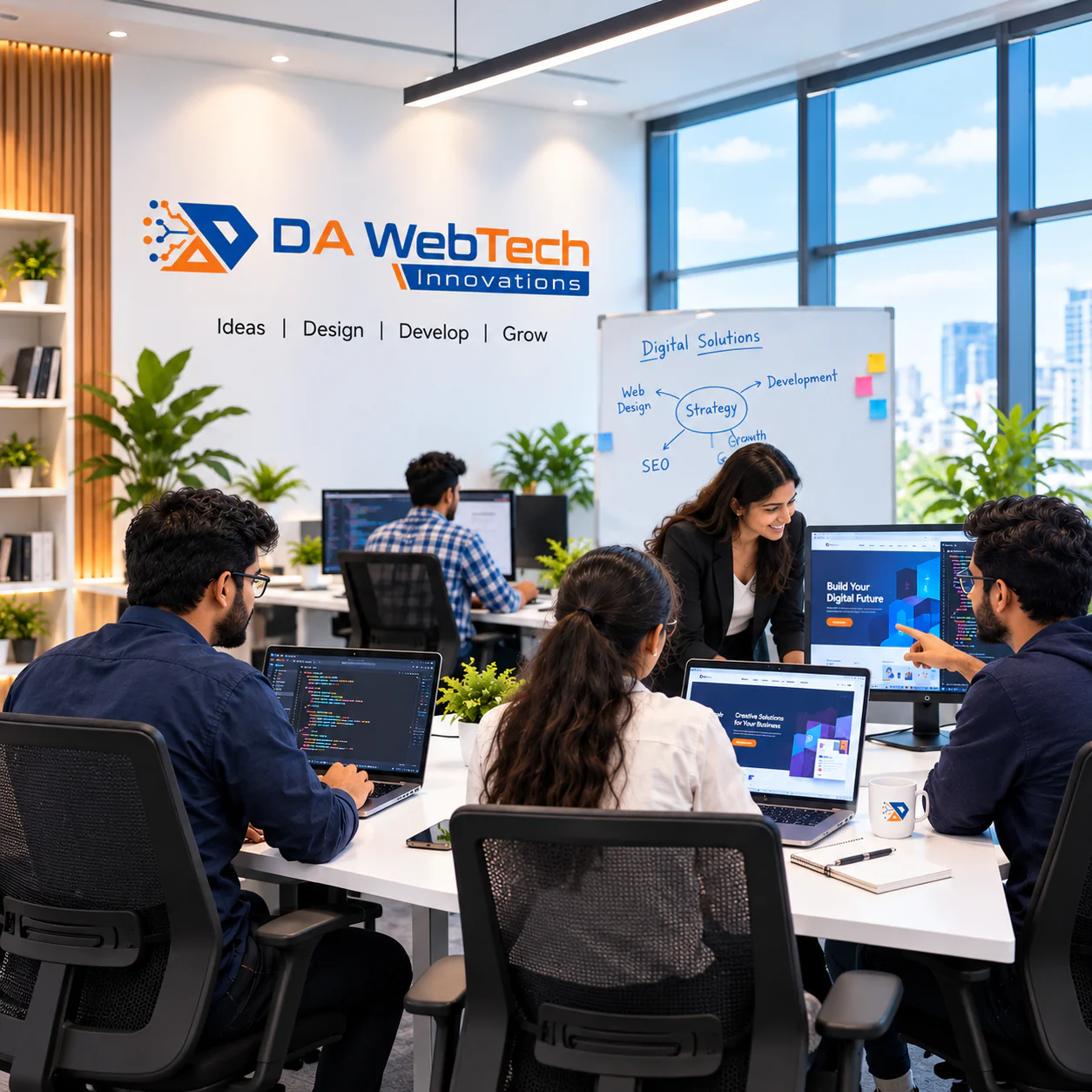
Yes, provided the process is clear from the outset. A remote team in India is a realistic choice for Kenyan firms, because the two countries share most of the working day. Your morning falls within our working hours, so calls and quick approvals do not require anyone to stay late. Written scopes, private review links and short progress updates keep the work visible from planning to launch.
Kenya has one of the most diverse economies in East Africa. Agriculture remains a major employer and exporter, with tea, coffee, cut flowers, fresh vegetables and dairy produced across the highlands and the Rift Valley. Mombasa is the country's main port and a gateway for goods moving inland to neighbouring countries, while its coast supports beach tourism and hospitality. Kisumu serves as a trading centre on the shores of Lake Victoria, Nakuru and Eldoret sit in productive farming regions, and safari tourism brings visitors to parks and conservancies across the country. Kenya is also known for its technology and mobile payments scene, along with manufacturing, construction, logistics, private education and healthcare, and a large base of family-run trading and retail businesses, many with long-standing ties to India.
Mobile phones are central to how Kenyans find and pay for things. A website should therefore be built mobile-first, load quickly over mobile data and make it easy to call, send a WhatsApp message or request a quote from any page. Content should be written in clear English, which is widely used for business, and some consumer-facing firms benefit from short sections or landing pages in Swahili. We help you decide where a second language adds genuine value instead of translating everything by default.
For selling online, M-Pesa is the payment method many customers expect to see. Stores can usually accept it through Safaricom's own integration options or a payment provider that supports M-Pesa alongside cards, and the checkout should confirm payments reliably before orders are processed. Prices are shown in Kenyan shillings, while tour operators, lodges and exporters often quote in US dollars too. Delivery options vary by region, so shipping settings may need different rates for major towns and more distant counties. Our e-commerce development work plans these details before the build begins.
Search behaviour in Kenya tends to be local. A hardware supplier in Nakuru or a hotel in Diani is competing mainly with nearby businesses, so a complete Google Business Profile with accurate location, hours, photos and genuine reviews matters a great deal. For firms with several branches, separate pages for each real location help both customers and search engines. Our Google Business Profile optimisation service and wider SEO work keep your website and listings consistent. Kenya's data protection law also sets expectations for how personal information is collected and handled, so forms should ask only for what is needed, link to a clear privacy notice and record consent for marketing. We build with those principles in mind, and your legal adviser can confirm what applies to your business.
Kenya runs on East Africa Time, two and a half hours behind India. When you start work at eight in the morning, it is already mid-morning in Ahmedabad, so your morning and early afternoon fall inside our working day. That makes regular video calls straightforward. Every project starts with a written scope covering pages, features, content responsibilities and review stages. Designs and test builds are shared through private links that open on any phone, and feedback can come by email, WhatsApp or a short call. Discussions take place in English by default, and Gujarati or Hindi are on offer for team members who would find them easier. Payment can be discussed, usually by bank transfer in US dollars or Indian rupees, and the domain, hosting and files are kept in your company's name.
We want to be honest about our position. DA WebTech Innovations has no office, staff, partner or address in Kenya. Our team works from Ahmedabad, India, and every Kenyan project is delivered remotely. If you need product photography or filming at your premises, we can brief a local photographer of your choice and design around their images. After launch, we can continue with updates, backups, security checks and small changes through a maintenance arrangement, so the site keeps serving your customers while you run the business.
Kenyan clients often come to us with a specific job in mind: replacing a slow or outdated site, adding a proper product catalogue for distributors, building booking pages for a lodge, or connecting an existing store to M-Pesa. Whatever the starting point, we begin by understanding who your customers are and how they decide, then shape the site around those decisions.