
Static vs Dynamic Website: Which One Does Your Business Need?
A static website serves fixed pages; a dynamic website builds pages from a database. Here is how to decide which one fits your business, your team…
Lean, fast, secure
A hand-coded website with no database and no plugins to patch. Pages load quickly, hosting stays simple and there is very little that can break, which suits businesses whose content changes only occasionally.
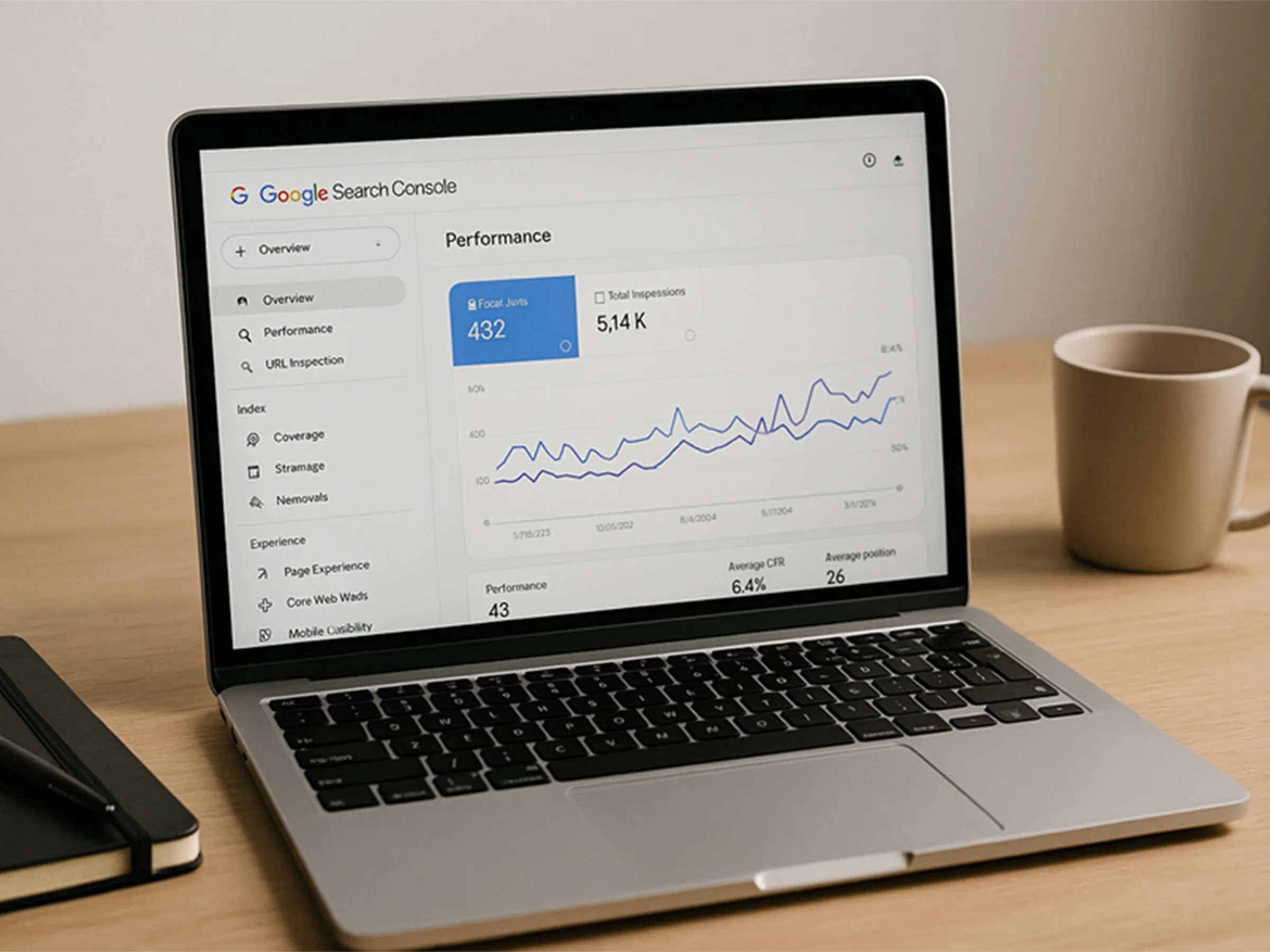
Static website development is building a website from fixed HTML, CSS and JavaScript files that are delivered to every visitor exactly as stored, without a database or server-side processing on each request. Static sites load very quickly, have a small attack surface and cost little to host, making them suitable for content that changes infrequently.
A static website is a set of pre-built pages. When someone visits, the server simply sends the file; nothing is assembled from a database at that moment. That simplicity is the main advantage: fewer moving parts means faster pages, fewer security risks and minimal upkeep.
Static does not mean plain. We build static sites with responsive layouts, animation through GSAP, working contact forms, Google Maps, WhatsApp buttons and structured data. What a static site does not have is an admin panel where you log in and edit content yourself.
If you expect to update content often, a dynamic website will serve you better, and we will tell you that honestly at the start.
Consultants, clinics, workshops and local firms that need a professional online presence with services, contact details and an enquiry form, updated a few times a year.
A single focused landing page for an ad campaign, product launch or event, where speed and a clear call to action matter more than editability.
Architects, photographers, designers and other professionals who want to present their work and credentials in a fast, carefully designed format that loads well anywhere.
Businesses that want a public website with as few components as possible to patch, monitor and protect against common attacks on CMS platforms.
Many small businesses run a full WordPress installation for a site whose content has not changed in two years. That means a database, a theme and a list of plugins that need regular updates. When updates are skipped, the site becomes vulnerable; when they are applied, something occasionally breaks. Meanwhile, the extra code slows down every page load.
For sites like this, we recommend going static. We hand-code each page with semantic HTML, lean CSS and only the JavaScript the design needs. Images are compressed and served in modern formats, fonts are loaded carefully, and the site can sit behind Cloudflare for caching. Forms still work through a secure handler. When you need a change, you send it to us and we update it, so there is no admin panel to secure and no plugin updates to worry about.
Scope
Layouts designed around your content and brand, with clear sections for services, credentials, contact details and calls to action on every page.
Semantic, validated HTML5 and modular CSS, written without heavy frameworks so pages stay small and render quickly on slower connections.
Every page is built mobile-first and checked on common phone and tablet sizes, including navigation, tap targets and readable font sizes.
Contact and quote forms that deliver to your inbox, with validation, spam filtering and a clear confirmation message for the visitor.
Unique titles and descriptions, heading hierarchy, Organization or LocalBusiness schema, XML sitemap and robots.txt configured for each page.
Compressed images, minified assets, preloaded fonts and caching rules, checked against Core Web Vitals targets before the site goes live.
Process
We review how often your content will change and who will update it, so you do not end up needing a CMS a few months later.
We agree on the page list, gather your text and images, and outline the sections each page needs.
We design the key pages and share a clickable preview so you can review them on your own phone and desktop.
We code the pages by hand, optimize every image and asset, connect the forms, and add schema, metadata and analytics tracking.
We deploy to your hosting or CDN, configure HTTPS and caching, and handle future text or image changes on request.
Technologies
With no database queries on each request, pages are served almost instantly and are easier to keep within Core Web Vitals limits.
No login page, no plugins and no database means far fewer of the weak points that attackers commonly target.
There are no core or plugin updates to apply, so the site stays stable for long periods without intervention.
Static files can run on modest hosting or a CDN, keeping infrastructure simple and easy to move if needed.
Pricing
Choose a starting point — we confirm the exact scope and price in a written proposal.
A professional website for small businesses getting started online.
Custom quote based on scope
Most popular
For growing businesses that need a CMS, blog and lead tracking.
Custom quote based on scope
For larger websites with custom features and integrations.
Custom quote based on scope
Every project is scoped individually. Request a quote for an exact price — final scope and cost are confirmed in a written proposal.
| Feature | Starter | Business | Premium |
|---|---|---|---|
| Pages | 5 | 10 | 20+ |
| Responsive design | Yes | Yes | Yes |
| SEO setup | Basic | Advanced | Advanced |
| CMS / admin panel | No | Yes | Yes |
| Blog | No | Yes | Yes |
| Custom features | Limited | Yes | Advanced |
| Contact & quote forms | Yes | Yes | Yes |
| Analytics & Search Console setup | Yes | Yes | Yes |
| Support | Basic | Priority | Premium |
FAQs
Still have a question?
Ask us directly — you’ll get a straight answer from the team that does the work.
Not easily, because a static site has no admin panel; changes are made in the code files. For most businesses that update content a few times a year, sending changes to us is simpler and cheaper than maintaining a CMS. If you want to edit pages yourself regularly, we will recommend a dynamic or WordPress site instead.
Yes, a well-built static website is fully indexable and often performs very well on page speed, which supports a good user experience. Search engines read static HTML easily. What matters for rankings is still the quality of your content, structure, links and local signals, so we build the technical foundations and you can add ongoing SEO separately.
Yes, a static site can have fully working contact, quote and callback forms. The form submits to a small secure handler on the server or a trusted form service, which validates the data, filters spam and emails it to you. Visitors see a confirmation message, and you can track submissions as conversions in Google Analytics.
Yes, a static site can be converted to WordPress or a custom PHP CMS when your needs grow. Because the design and content already exist, the conversion mostly involves building templates and moving content into the database. We plan URLs carefully so existing pages keep their addresses and search visibility during the move.
A static website serves the same pre-built files to every visitor, while a dynamic website builds pages from a database when they are requested. Static sites are faster, simpler and more secure but require a developer for changes. Dynamic sites let you manage content through an admin panel and support features like blogs, catalogues and user accounts.
Client testimonials
DA WebTech Innovations ne hamari website ko professional aur modern look diya. Team ka response fast tha aur requirements ko achhe se samjha. Highly recommended for website design services.
Get in touch
Share a few details about your business and what you need. The DA WebTech team replies within one business day with questions, ideas and a clear next step — no obligation.
Quick enquiry
Leave your details and we’ll call or WhatsApp you within one business day.